
arch mirror led
Understanding Pressure Check Valves Essential Components in Fluid Systems Pressure check valves play a crucial role in various fluid systems, ensuring safety, efficiency, and functionality in a wide range of applications. These valves are designed to control the flow of fluids, preventing backflow and allowing for the regulation of pressure within a system. As we delve into the mechanics and significance of pressure check valves, it becomes clear why they are vital components in industrial, commercial, and residential settings. What is a Pressure Check Valve? A pressure check valve, also known as a non-return valve or one-way valve, is a device that allows fluid to flow in one direction while preventing reverse flow. This mechanism is essential in systems where backflow could lead to pressure fluctuations, system damage, or even hazardous situations. The basic operation of a pressure check valve relies on differential pressure it opens when the pressure is sufficient to push the valve open and closes when the pressure drops or reverses. Applications of Pressure Check Valves Pressure check valves find applications across numerous industries. In water supply and plumbing systems, they prevent contaminated water from flowing back into the clean water supply, safeguarding public health. In HVAC systems, they maintain proper pressure levels, ensuring the efficient operation of heating and cooling systems. In the oil and gas industry, these valves are crucial for managing the flow of hydrocarbons and preventing backflow, which can lead to significant safety risks, environmental hazards, and economic losses. Additionally, in manufacturing processes, pressure check valves help maintain system integrity by ensuring that fluid flows only in designated directions, thus optimizing productivity and safety . Types of Pressure Check Valves There are various types of pressure check valves, each designed for specific applications and operating conditions. The most common types include pressure check valve 1. Swing Check Valve This type utilizes a swinging disc to allow fluid to flow in one direction. When the flow reverses, the disc swings back and seals off the flow path, preventing backflow. 2. Lift Check Valve This valve features a disc that moves vertically to allow flow. If the flow direction reverses, the disc is forced back onto a seat, blocking the reverse flow. 3. Spring Check Valve Equipped with a spring mechanism, this valve opens under flow pressure and closes when the flow stops or reverses. This design allows for quick response times and is commonly used in applications where space is limited. 4. Diaphragm Check Valve Utilizing a flexible diaphragm, this valve opens with forward flow and seals with reverse flow. It is ideal for applications involving corrosive fluids or slurries. The Importance of Proper Installation and Maintenance While pressure check valves are durable and designed for longevity, their effectiveness depends greatly on proper installation and maintenance. Incorrect installation can lead to malfunctions, including leaks and pressure drops, which can compromise system integrity. Regular maintenance checks are also essential; they help identify wear and tear or any signs of damage, ensuring that valves function correctly and prolonging their operational lifespan. Conclusion In conclusion, pressure check valves are integral components in fluid systems that promote efficiency and safety across various applications. Understanding their function, types, and maintenance needs is essential for anyone involved in system design, operation, or maintenance. As industries continue to evolve, the demand for reliable and efficient fluid control solutions will only grow, making the role of pressure check valves even more critical in our interconnected world. Therefore, recognizing their importance and ensuring their proper function is paramount in maintaining the integrity of fluid systems.
about
arch mirror led
Understanding Standard Plug Gauges An Essential Tool in Precision Engineering In the world of manufacturing and engineering, precision is of utmost importance. Whether it’s in automotive production, aerospace engineering, or any form of mechanical assembly, ensuring that components fit together perfectly is vital for the safety, functionality, and quality of the final product. One of the key tools used to achieve this level of precision is the standard plug gauge. What is a Standard Plug Gauge? A standard plug gauge is a cylindrical tool used to measure the diameter of holes or the internal dimensions of parts. It serves two primary purposes to check whether a hole is within a specified size tolerance (go) or if it is out of specification (no-go). The gauge typically features two ends—one marked “go” and the other marked “no-go.” When the “go” end of the plug gauge fits snugly into the hole, it indicates that the dimension is acceptable. If the “no-go” end does not fit into the hole, it further confirms that the dimension is within the specified tolerance limits. This simplicity and effectiveness make standard plug gauges indispensable in quality control processes. Construction and Materials Standard plug gauges are usually constructed from high-quality steel, which offers durability and resistance to wear. They are often heat-treated to enhance their hardness, ensuring that they retain their shape and accuracy even after repeated use. The finishing process typically involves grinding and polishing to achieve precise dimensions and a smooth surface, which is important for reliable measurement. In some specialized applications, plug gauges may be made from different materials such as carbide or even ceramic, especially when extreme durability or heat resistance is required. These materials allow for greater longevity and maintain accuracy over a longer period, which is a critical factor in industries that demand high precision. standard plug gauge Applications of Standard Plug Gauges Standard plug gauges are widely utilized across various industries. In the automotive sector, they are used to ensure that engine components fit together correctly, which is essential for optimal performance and safety. Similarly, in the aerospace industry, plug gauges help maintain stringent tolerances required for aircraft parts, where even minute discrepancies can lead to catastrophic failures. Moreover, plug gauges are used in assembly lines to streamline the production process. By incorporating these gauges into the quality assurance phase, companies can detect defects early, reducing waste and rework costs. Additionally, plug gauges are invaluable in tool and die making, where precision is critical for the creation of molds and parts. Calibration and Standards The accuracy of standard plug gauges is paramount to their effectiveness. Regular calibration is essential to ensure that they maintain their specified dimensions and tolerances. Calibrating plug gauges typically involves comparing them against a master gauge with known dimensions. This process helps identify any discrepancies that need adjustment. Moreover, standard plug gauges must adhere to internationally recognized standards, such as those set forth by the American National Standards Institute (ANSI) and the International Organization for Standardization (ISO). Compliance with these standards not only ensures consistency in measurement but also fosters trust among manufacturers and customers alike. Conclusion In conclusion, standard plug gauges play a crucial role in precision engineering and quality control across various industries. Their simple design, combined with their effectiveness in measuring internal dimensions, makes them an invaluable tool for ensuring that components meet rigorous specifications. As technology continues to advance, the importance of precise measurements will only increase, solidifying the position of standard plug gauges as essential instruments in the manufacturing world. Ensuring their proper use and maintenance is vital for any enterprise aiming for excellence in production and assembly processes.
-

High quality industrial productsagement

High quality industrial products
View Details -

Meet the diverse needs of customers

Meet the diverse needs of customers
View Details -

Strict quality control

Strict quality control
View Details -

Top raw materials

Top raw materials
View Details -

Trusted supplier

Trusted supplier
View Details
Our application

news and information
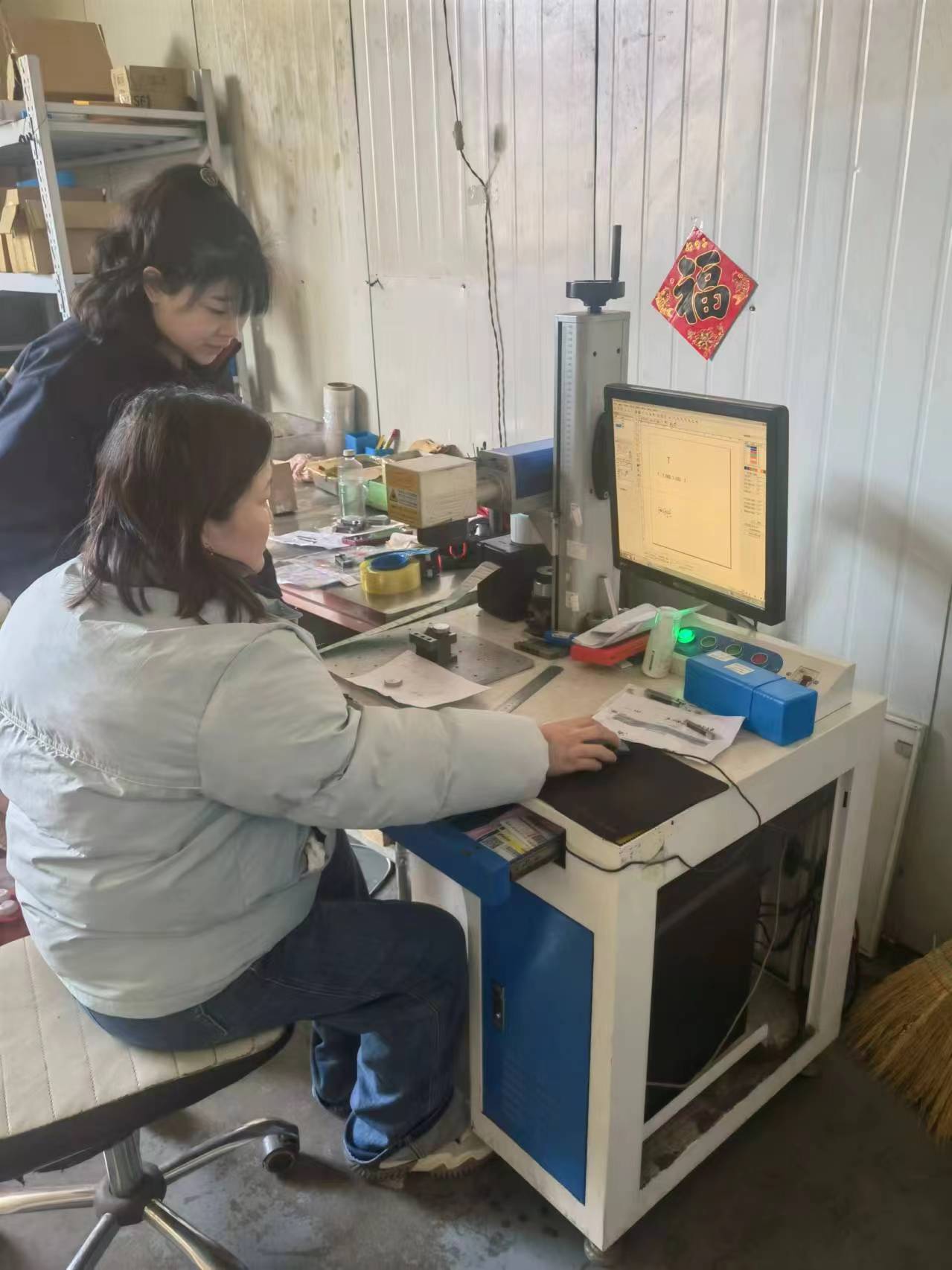
Wichtigkeit der Genauigkeit in der modernen Mess- und Regeltechnik
Der Einfluss von Gauge C auf die moderne Technologie In der heutigen digitalen Welt spielen Präzisio
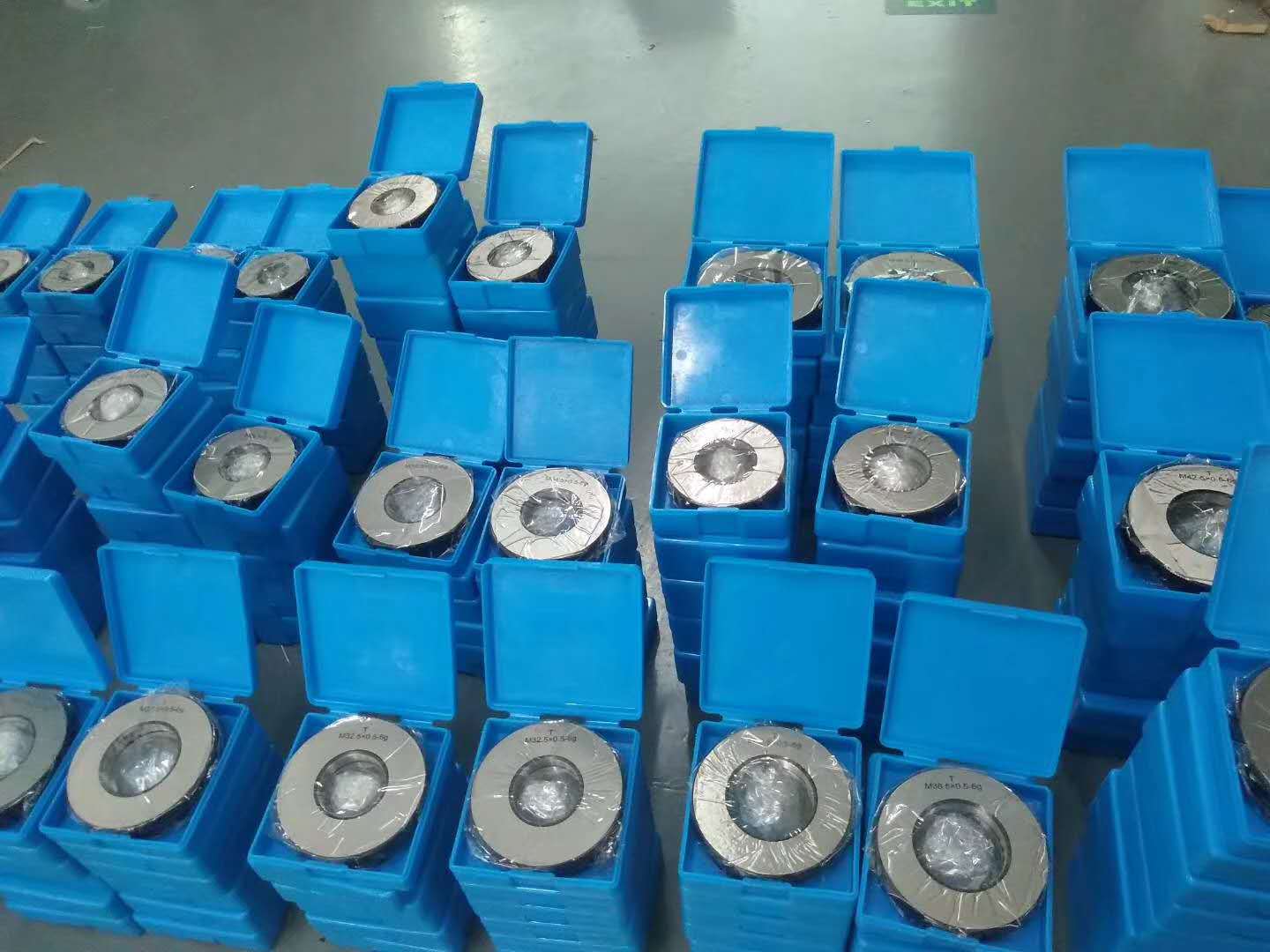
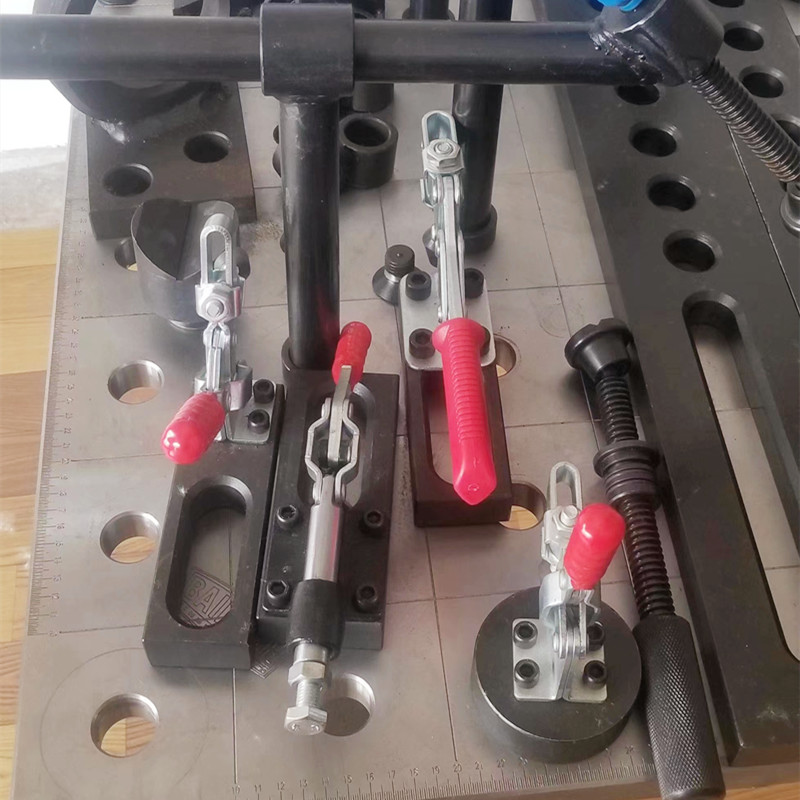
Versatile 5 8% Welding Table Clamps for Precision Metalworking and Fabrication
The Importance of 5% and 208% Welding Table Clamps in Modern Fabrication In the world of metal fabri
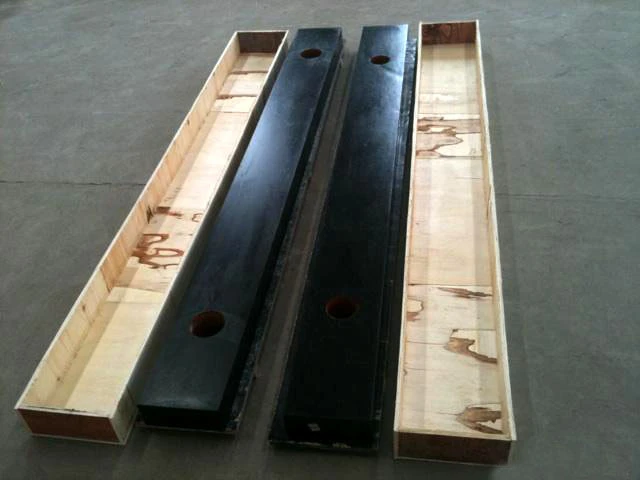
water main shut off valves
Water main shut off valves play a critical role in maintaining the health and efficiency of any resi
 English